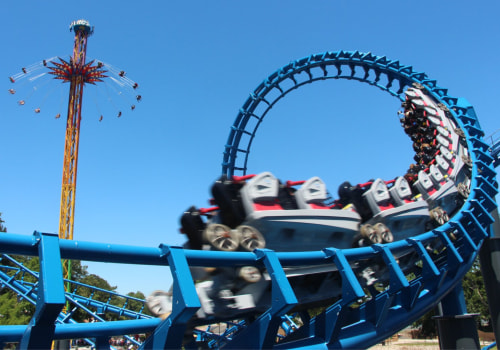
Cobb County, Georgia, is home to a variety of attractions that bring residents and visitors together throughout the year. From parks and historic destinations to entertainment venues, sports facilities, and community gathering spaces, these locations contribute to the county’s culture, recreation, and local economy. However, Georgia’s changing weather conditions can sometimes create challenges for properties that welcome large numbers of visitors. Heavy rainfall, thunderstorms, strong winds, extreme heat, and occasional winter weather may affect buildings, outdoor areas, transportation routes, and public spaces. Weather preparedness helps attraction operators anticipate these risks and take practical steps to protect visitors, employees, structures, and valuable equipment before severe conditions arrive.
Protecting Buildings and Public Spaces
Routine property maintenance is an important part of weather preparedness. Attraction managers can inspect roofs, gutters, drainage systems, windows, doors, electrical systems, and outdoor structures for signs of deterioration. Small maintenance problems can become much more serious during heavy rain or severe storms. For example, blocked drainage systems can contribute to standing water, while damaged roofing may allow moisture to enter buildings. Outdoor attractions may also need to secure signs, temporary structures, seating areas, decorative displays, and equipment before high winds occur. Regular inspections help identify potential vulnerabilities early, allowing repairs to be completed before weather-related damage disrupts normal operations.
Creating Clear Emergency Plans
Weather preparedness also involves creating plans for employees and visitors. Popular attractions can become crowded, particularly during weekends, holidays, festivals, sporting events, and seasonal celebrations. Managers should establish procedures for evacuations, sheltering, temporary closures, and communication during severe weather. Employees should understand their responsibilities and know how to guide visitors toward safe locations when conditions suddenly change. Monitoring local forecasts and emergency notifications can give attraction operators additional time to make informed decisions. Clear signage, accessible exits, backup communication methods, and emergency supplies can further strengthen a facility’s ability to respond safely when unexpected weather develops.
Responding Quickly to Property Damage
Even with careful preparation, severe weather can still cause property damage. Flooding, roof leaks, fallen trees, wind-driven rain, and damaged plumbing or electrical systems can affect buildings and surrounding spaces. Responding quickly can help prevent the original problem from becoming more extensive. Water entering a building, for example, may damage flooring, walls, furniture, exhibits, and equipment if it is not addressed promptly. Attraction managers can maintain contact information for qualified contractors and restoration professionals before emergencies occur. When immediate assistance is required, resources that allow property managers to Click here for information about restoration services can simplify the process of identifying appropriate help and beginning recovery efforts.
Preserving Visitor Experiences and Local Tourism
Preparedness is not only about protecting physical structures. It also helps maintain visitor confidence and supports the tourism businesses that depend on popular Cobb County destinations. Extended closures can affect nearby restaurants, hotels, retailers, vendors, and employees, particularly when an attraction generates significant local activity. Having emergency procedures and recovery plans in place can reduce unnecessary downtime and make reopening more organized after a weather-related incident. Operators can also communicate through websites, social media, email updates, and local information channels to keep visitors informed about closures, schedule changes, or reopening dates.
Building More Resilient Cobb County Attractions
Weather will always remain unpredictable, but preparation gives attraction operators greater control over how they respond. Regular maintenance, emergency planning, staff training, effective communication, and access to dependable restoration resources all contribute to stronger property protection. By preparing for severe conditions before they happen, Cobb County attractions can reduce risks, protect visitors, preserve important community spaces, and recover more efficiently when damage occurs. These efforts ultimately help keep the county’s recreational, cultural, and entertainment destinations welcoming and accessible for residents and visitors throughout the year.